Your goals. Your pace. Your call.
Support should feel like having someone on your side, not like another appointment.
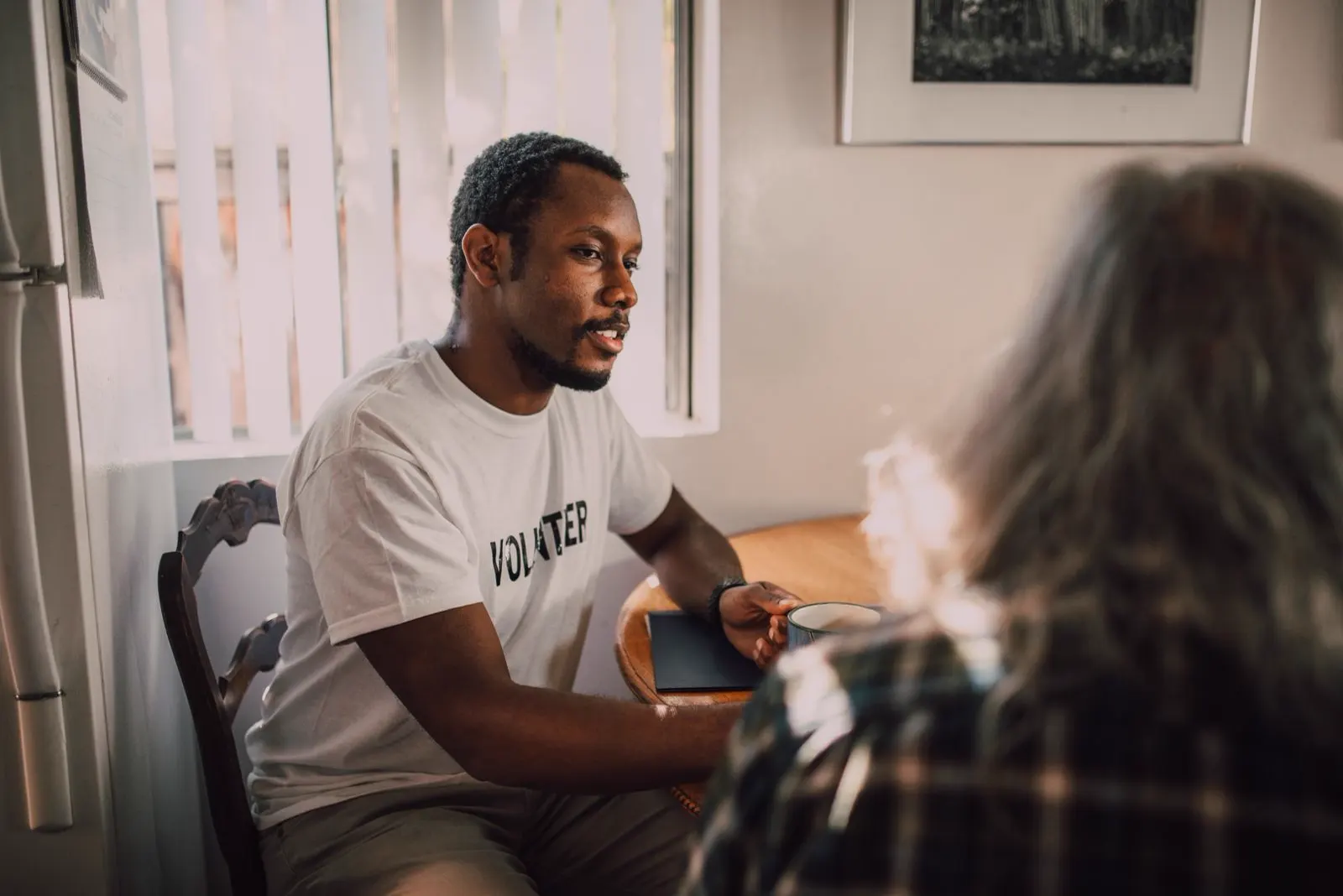
For you, first
If you are a young person
- You decide what you want to work on
- You can bring family into it as much or as little as you like
- We will be straight with you and turn up when we say we will
- If something is not working, tell us and we will change it
For you, the adult
If you are a parent or carer
- Clear service agreements and plain English invoices
- Regular updates, shared in the way the young person is comfortable with
- Respect for your family, culture and routines
- A single point of contact who knows your young person

Safeguarding
Keeping young people safe
Safety and respect come first. Our support worker holds a current Queensland blue card and an NDIS worker screening clearance. Anyone who joins us must hold both before working with anyone. How we keep young people safe.
We will always listen to concerns. If something is not right, you can tell us directly at hello@southerncrossprovisions.com, and you can also contact the NDIS Quality and Safeguards Commission at any time.
FAQ
Questions families ask
Can you work with my child's NDIS plan?+
If the plan is self-managed or plan-managed, yes. We are an unregistered NDIS provider, so we cannot be paid from an NDIA-managed plan yet. Registration is planned.
What ages do you support?+
Our focus is young people aged 12 to 25, including teenagers and young adults with autism, ADHD, trauma, anxiety or school refusal, and the move from school into adult life. Get in touch if you are unsure.
Where do you work?+
Toowoomba and surrounds on the Darling Downs. Ask us about nearby areas.
What does it cost?+
Rates are no higher than the NDIS price limits for each support and are agreed in writing before support begins.
Can family be involved?+
As much or as little as the young person wants. Updates are shared in the way the young person is comfortable with.
The four supports
The kinds of support we offer

Youth support work
One to one support from a youth worker who takes the time to understand the young person.
Learn more
Community access
Getting out and about: sport, the gym, the library, a cafe, a TAFE open day, a youth group.
Learn more
Capacity building
Working on goals from the plan in small, real steps: routines, communication, decisions.
Learn more
Life skills
Cooking, catching the bus, budgeting, appointments. The everyday skills behind independence.
Learn more
Getting started
Getting started takes four steps
- 1
Say hello
Send us an email or a text. Tell us a little about the young person and what they are hoping for.
- 2
Have a chat
We talk with you about goals, interests, the plan and what good support would look like.
- 3
Agree a plan
A clear service agreement: what we will do, when, and the rates, before anything starts.
- 4
Get going
Support begins, and we check in regularly so it keeps fitting as things change.
Ready when you are
Let us have a chat
Send a short email or a text and we will get back to you to arrange a time to talk.